The Perimenopause, Menopause and PCOS connection
 What No One Tells You About Perimenopause, Menopause & PCOS
If you’ve been diagnosed with PCOS, you’ve probably spent years trying to understand your hormones. Balancing blood sugar, supporting ovulation, reducing inflammation… it can feel like a full-time job.
But what many women aren’t told?
👉 PCOS doesn’t just “go away” with age
👉 And perimenopause can feel like PCOS… amplified!
Let’s talk about the things that don’t get spoken about enough, so you can feel informed, supported, and actually understand what’s going on in your body.
First… what actually happens in perimenopause?
Perimenopause is the phase leading up to menopause, which is officially 12 months without a period.
This transition can start in your late 30s or 40s, and for women with PCOS it can feel really confusing.
Because instead of hormones simply declining, they fluctuate. A lot.
You might notice:
-
Irregular cycles (even if they were already irregular with PCOS)
-
Mood swings or anxiety that feel out of nowhere
-
Sleep issues
-
Weight changes, especially around your middle
-
More fatigue than usual
And here’s the tricky part…
These symptoms can look very similar to PCOS, which is why so many women feel like they’re going backwards.
PCOS + perimenopause = a hormonal overlap
One of the biggest misconceptions is that PCOS symptoms disappear as you get older.
In reality, they tend to shift.
During perimenopause:
-
Ovulation becomes less consistent
-
Progesterone is the first hormone to drop
-
Estrogen can swing high and low
-
Androgens can still stay elevated in PCOS
This can lead to:
-
More stubborn weight gain
-
Increased insulin resistance
-
More inflammation
-
Hair thinning on your head but growth in unwanted areas
-
Heavier or unpredictable periods
It’s not just ageing. There’s a lot happening behind the scenes, and your body simply needs a different kind of support.
Blood sugar becomes even more important
If there’s one thing that becomes non-negotiable during this phase, it’s blood sugar balance.
Insulin resistance, which is already common in PCOS, can get worse during perimenopause.
This might look like:
-
Energy crashes
-
Sugar cravings
-
Feeling like you’re doing everything right but nothing is shifting
-
Brain fog
Simple things that really help:
-
Prioritising protein and healthy fats at meals
-
Going for a short walk after eating
-
Eating consistently throughout the day
And this is where small daily rituals can make a big difference.
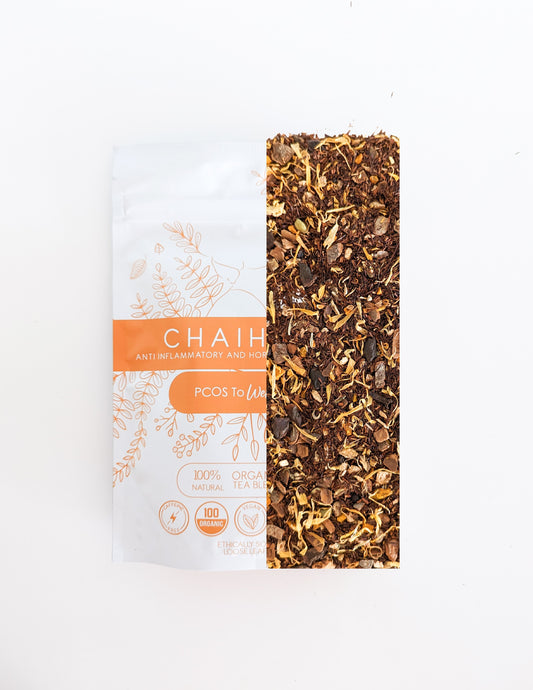
Having something like a warm cup of Chaihood Tea in the afternoon can help you ride out that 3pm slump without reaching for sugar, while also supporting more stable energy.
Your nervous system matters more than ever
Perimenopause isn’t just about hormones. It’s also a very stress-sensitive phase.
Cortisol plays a big role here.
When stress is high, it can:
-
Worsen insulin resistance
-
Disrupt sleep
-
Increase fat storage, especially around the abdomen
-
Impact progesterone levels
This is why things that used to work, like intense workouts or skipping meals, can suddenly feel like they’re working against you.
Instead, think:
-
Gentle, consistent movement
-
Morning sunlight
-
Slowing down where you can
-
Building in moments of calm during the day
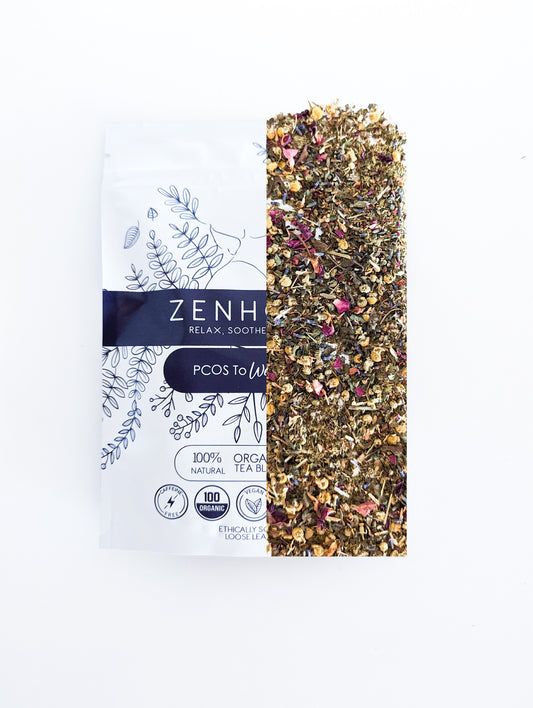
Even something as simple as winding down at night with a calming blend like Zenhood Tea can help signal to your body that it’s safe to relax, which makes a big difference over time.
Detox pathways need extra support
As estrogen fluctuates, your body relies more on its detox pathways to process and clear hormones.
If things aren’t moving well, you might notice:
-
Bloating
-
Skin flare-ups
-
Hormonal headaches
-
Symptoms of estrogen dominance
Supporting detox doesn’t need to be extreme.
It can be as simple as:
-
Making sure you’re having daily bowel movements
-
Eating enough fibre
-
Staying hydrated
-
Adding gentle herbal support
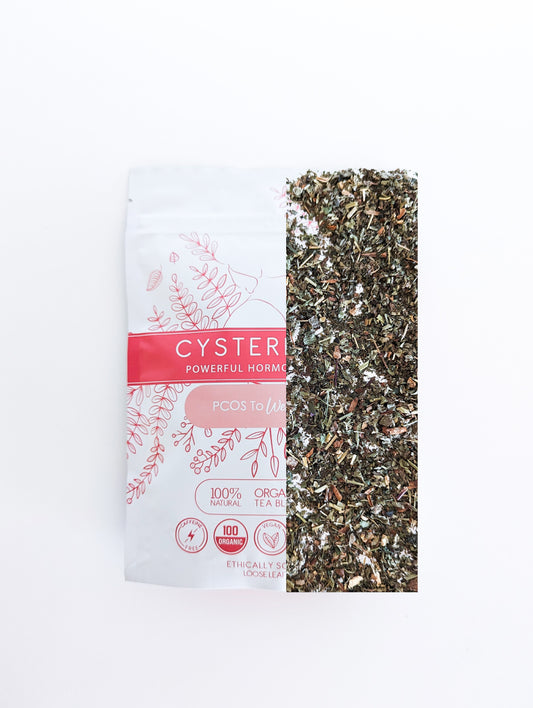
Drinking something like Cysterhood Tea throughout the day can support this in a really nourishing, low-effort way.
Sleep becomes foundational
Sleep can become more disrupted during perimenopause, even if you’ve always been a good sleeper.
This is often linked to:
-
Lower progesterone
-
Blood sugar dips overnight
-
Higher cortisol
And when sleep is off, everything feels harder.
Supporting sleep doesn’t have to be complicated:
-
Reducing screen time at night
-
Creating a simple wind-down routine
-
Supporting magnesium levels
-
Having a calming tea before bed
A nightly ritual with Zenhood Tea can be such an easy way to help your body shift into rest mode.
You’re not back at square one
If your symptoms feel like they’re coming back or getting worse, it can feel really frustrating.
BUT it doesn’t mean you’ve undone all your progress.
Your body is just in a new phase, and it needs a slightly different approach.
The foundations still matter:
-
Nourishing your body
-
Supporting blood sugar
-
Reducing inflammation
-
Managing stress
And often, it’s the small, consistent habits that make the biggest difference. Even things like your daily tea rituals can help anchor that consistency.
If you are not sure where to start our 28 day hormone reset is designed to make it simple and easy to kick start your hormone balance journey.
A gentle reminder
You don’t need to fight your body through this.
You can support it.
With the right approach, this phase can actually be a time where you feel more connected to your body, not less.
If you’re navigating this right now…
Start simple.
Focus on the basics. Build small habits or 'rituals' you can actually stick to.
And try to bring them into your everyday to day so they feel easy. Your morning routine, your afternoon reset, your evening wind-down.
That’s where the real shifts happen!